Jr Geo is more than just an educational program—it’s a movement designed to spark curiosity, creativity, and global awareness in young learners. In today’s interconnected world, understanding geography isn’t just about memorizing maps or capital cities; it’s about helping children develop critical thinking skills, empathy, and a sense of wonder for the planet. By introducing kids to Jr Geo, educators and parents open doors to a journey filled with landscapes, cultures, climates, and ecosystems, nurturing lifelong learners who appreciate diversity and complexity.
Through Jr Geo, children engage with the world in a hands-on and interactive way. They explore continents, discover how environments influence lifestyles, and learn to connect with global issues in a meaningful manner. This unique approach transforms geography from a textbook subject into a vibrant adventure, allowing young explorers to learn actively and think creatively.
Understanding Jr Geo – The Movement for Young Geographers
H2: What is Jr Geo?
At its core, Jr Geo is an introductory platform for children to explore the physical and human elements of the world. Physical geography introduces learners to mountains, rivers, oceans, and climates, while human geography helps them understand cultures, population trends, and human-environment interactions. By integrating these elements, Jr Geo encourages children to see the world as a connected, dynamic system rather than isolated facts on a map.
Key Benefits of Jr Geo for Young Learners
The benefits of engaging with Jr Geo go far beyond simple knowledge acquisition. Children who participate in Jr Geo programs develop:
-
Critical thinking and problem-solving skills: By analyzing maps, climates, and human patterns, kids learn to interpret information logically and make connections.
-
Global awareness: Understanding cultural diversity and environmental issues fosters empathy and social responsibility.
-
Curiosity and creativity: Interactive activities, games, and hands-on projects make learning fun and memorable.
-
STEM integration: Geography connects seamlessly with science, technology, engineering, and math, preparing children for future educational challenges.
Through these advantages, Jr Geo equips children with tools to navigate both the physical world and the increasingly complex social and environmental landscapes around them.
How Jr Geo Transforms Learning
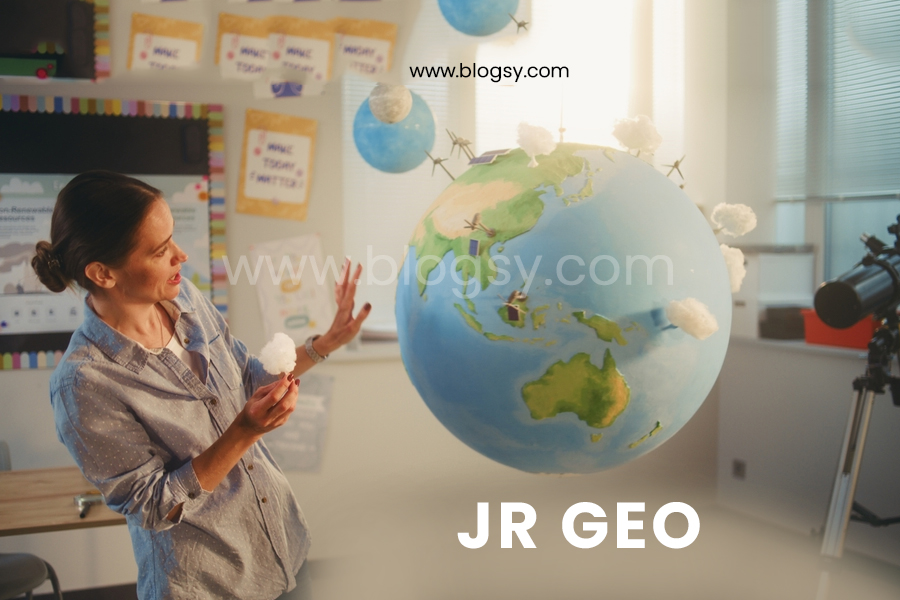
Unlike traditional geography education, Jr Geo emphasizes active participation. Children learn by doing—through interactive maps, creative assignments, virtual simulations, and outdoor explorations. This method enhances retention, engagement, and comprehension.
By combining play with structured learning, Jr Geo ensures that lessons are not only informative but also exciting. Kids participate in hands-on projects such as building terrain models, tracking weather patterns, or creating cultural presentations, making the study of the world tangible and engaging.
Jr Geo and Cultural Awareness
One of the most impactful elements of Jr Geo is its ability to cultivate empathy and cultural understanding. By exploring the lifestyles, traditions, and values of people across different regions, children develop cross-cultural awareness and learn to appreciate diversity. This understanding encourages global citizenship, preparing kids to interact thoughtfully in an interconnected world.
Physical Geography in Jr Geo – Exploring the Natural World
Jr Geo introduces children to the wonders of the natural world through physical geography for children. This area covers mountains, rivers, oceans, forests, deserts, and climates. By exploring these features, young learners begin to understand how the planet’s surface shapes ecosystems and human life.
Hands-on activities make these concepts tangible. For instance, students might build miniature mountain ranges using clay or sand, simulate river flows with water experiments, or track local weather patterns to see how climate affects their environment. These projects nurture critical thinking for kids and help develop spatial thinking skills, allowing children to visualize the Earth in a dynamic way.
Learning about diverse terrains also enhances map reading for kids, as they start to locate rivers, mountains, and other landmarks. By comparing different regions, children engage in data interpretation for kids, noting patterns in climate, vegetation, and natural resources. Over time, these lessons contribute to cognitive development through geography, equipping children with analytical and observational skills.
Human Geography in Jr Geo – Understanding People and Places
While physical geography teaches children about the Earth’s landscapes, human geography basics in Jr Geo focuses on people, communities, and cultures. Young learners explore how population, urban development, trade, and governance influence daily life. They study cities, countries, and cultural traditions to understand how human activity shapes the planet.
Activities in human geography might include creating population maps, exploring cultural festivals through storytelling, or studying local and global urban development. These experiences promote global awareness for children and foster cross-cultural understanding, which is crucial for developing empathy and social intelligence.
By connecting human systems with natural landscapes, Jr Geo emphasizes the importance of sustainability and responsible decision-making. Children learn how resource management, migration, and cultural practices influence the environment, preparing them to think critically about future global challenges.
Environmental Geography and Sustainability
A vital part of Jr Geo is teaching children about environmental responsibility. Environmental geography for kids covers ecosystems, biodiversity, climate change, and conservation. Through engaging activities, learners understand how human actions impact the planet and how sustainable practices can protect it for future generations.
For example, children might participate in tree-planting exercises, study local wildlife habitats, or simulate climate models using interactive tools. These lessons encourage appreciation for nature and reinforce the idea that protecting the Earth is both a personal and collective responsibility.
Integrating environmental education into Jr Geo learning also strengthens early geography learning by showing children real-world applications of what they study. Activities like recycling projects, energy audits, and community clean-ups make geography relevant, memorable, and impactful.
Fun and Interactive Activities in Jr Geo
One of the most engaging aspects of Jr Geo is its use of interactive geography activities that make learning both educational and enjoyable. Children develop junior geographer skills through games, puzzles, treasure hunts, and map-based challenges. These activities enhance curiosity, creativity, and teamwork.
Hands-on geography projects include building 3D models of landforms, designing travel journals, or creating cultural exhibits for classroom presentations. A popular map-making activity encourages kids to chart local landmarks, design fantasy worlds, or trace global continents. Outdoor learning through nature scavenger hunts allows children to identify plants, rocks, and insects while connecting classroom knowledge to the real world.
Digital integration further enriches learning. Geography apps for children and virtual travel learning experiences offer immersive opportunities to explore distant countries, track environmental changes, and even interact with global peers. These tools support creative geography lessons, transforming abstract concepts into interactive adventures.
Incorporating Jr Geo into Everyday Life
Jr Geo for kids extends beyond classrooms, making geography a natural part of daily life. Families can participate in family geography activities like neighborhood walks, local park explorations, or weekend trips to natural landmarks. These experiences promote everyday geography learning and encourage children to observe and question their environment.
Home-based geography lessons can be as simple as cooking international recipes, tracking weather patterns, or mapping favorite places. Activities like neighborhood exploration for kids and cooking and culture learning reinforce curiosity about diverse cultures and ecosystems. By engaging children in hands-on experiences at home, parents strengthen the lessons learned in Jr Geo programs while nurturing a love for exploration.
Jr Geo and STEM Education
Jr Geo STEM integration demonstrates how geography connects with science, technology, engineering, and math. Understanding landscapes requires spatial awareness in children, while analyzing climate data teaches basic math and data interpretation. Science concepts like ecosystems, weather patterns, and environmental change are explored in tandem with geography, making learning holistic and practical.
Activities like building topographical models, simulating erosion, or analyzing urban growth patterns encourage problem-solving development. By bridging disciplines, Jr Geo prepares children for advanced studies while instilling skills essential for future STEM careers.
Parental and Community Involvement in Jr Geo
An essential aspect of Jr Geo is the role of parents and community in shaping young learners’ experiences. Parental support in learning greatly enhances children’s curiosity and engagement. When parents participate in home-based geography lessons, they help reinforce classroom concepts, create lasting memories, and encourage children to think critically about their surroundings.
Activities such as family map nights, visits to museums, or guided nature walks allow parents to foster real-life geography exploration. Children can practice neighborhood exploration for kids, observe local ecosystems, and relate what they see to global patterns. Additionally, discussing international events, cultures, or environmental challenges at home strengthens cross-cultural understanding and global citizenship for young learners.
Community programs also play a pivotal role. Local libraries, nature centers, and museums often host museum geography programs and geography workshops for kids, where experts guide hands-on activities and interactive learning experiences. Participating in community events nurtures collaboration, teamwork, and social skills, which are as crucial as the academic benefits of Jr Geo learning.
Resources for Young Geographers
For children eager to explore beyond the classroom, a wealth of geography learning resources is available. Children’s geography books provide engaging narratives, colorful illustrations, and detailed maps that introduce kids to the world in an accessible way. Publishers often tailor these resources to different age groups, ensuring that content matches cognitive abilities and interests.
Educational geography apps transform learning into interactive adventures. These apps allow children to complete quizzes, navigate virtual maps, and simulate real-world geographical scenarios, enhancing both critical thinking for kids and spatial thinking skills. Similarly, virtual travel learning platforms enable children to explore remote locations, understand global cultures, and even participate in collaborative challenges with peers from different countries.
Nature centers and local parks offer hands-on learning experiences, complementing traditional lessons. Activities include guided ecological tours, wildlife observation, and interactive workshops that strengthen early geography learning. By combining digital, printed, and experiential resources, Jr Geo for kids ensures that children can learn in a variety of ways that suit their individual learning styles.
Advanced Jr Geo Projects and Experiential Learning
As children grow, Jr Geo encourages more advanced projects that deepen understanding of the world. Experiential learning projects help children apply knowledge in meaningful ways. For instance:
-
Landform model activities where students recreate mountain ranges, rivers, and coastlines.
-
Map-making activity assignments where kids chart local and global landscapes, including cultural and political features.
-
Nature scavenger hunts in diverse ecosystems teach observation, pattern recognition, and ecological awareness.
-
Cultural immersion projects where children explore festivals, cuisines, and traditions from around the world.
These projects not only reinforce knowledge but also encourage problem-solving, teamwork, and cognitive development through geography. By making geography interactive, Jr Geo interactive games foster a sense of adventure and personal connection to learning. This approach transforms abstract concepts into tangible experiences, making lessons memorable and inspiring junior geographer skills.
Case Studies: Successful Jr Geo Programs Around the World
Across the globe, several programs demonstrate the transformative power of Jr Geo:
-
National Geography Initiatives – Programs like National Geographic Kids integrate interactive geography activities, virtual expeditions, and educational apps to create engaging experiences for children worldwide. These programs emphasize global awareness for children and provide tools for cross-cultural understanding.
-
School-Based Jr Geo Programs – Many schools embed Junior Geography into their curricula, combining hands-on geography projects, STEM integration, and cultural exploration. Students participate in field trips, map-based exercises, and virtual travel learning experiences, which enhance both their academic and social development.
-
Community Workshops and Camps – Local geography camps offer immersive programs where children learn about physical and human geography, complete map-making activity projects, and engage in nature scavenger hunts. These experiences provide rich opportunities for creative geography lessons and early geography learning in real-world contexts.
These examples illustrate how Jr Geo nurtures curiosity, empathy, and critical thinking in children, preparing them to become responsible and informed global citizens.
Integrating Jr Geo into Everyday Education
Incorporating Jr Geo into daily routines ensures continuous engagement and reinforces learning. Teachers and parents can integrate geography into subjects like science, history, math, and language arts. For example:
-
Using climate data in math problems to improve data interpretation for kids.
-
Exploring ecosystems during science experiments to enhance environmental geography for kids’ understanding.
-
Writing reports on countries and cultures to support global citizenship for young learners and cultural diversity education.
Even casual activities, such as cooking international recipes, observing local wildlife, or participating in neighborhood explorations, provide opportunities for home-based geography lessons and real-life geography exploration. By connecting lessons to everyday life, children gain a deeper appreciation for learning about landscapes and how human and natural systems interact.
Jr Geo and the Future of Education
The future of Jr Geo is bright, with ongoing innovations designed to make geography accessible, engaging, and inclusive. New initiatives focus on integrating virtual reality, interactive apps, and digital geography tools that allow children to explore distant places safely and interactively.
Schools are increasingly incorporating Jr Geo STEM integration, combining geography with coding, data analysis, and environmental science. These initiatives promote problem-solving development, spatial awareness in children, and cognitive development through geography.
Furthermore, efforts to expand accessibility ensure that children from diverse backgrounds can benefit from Jr Geo programs, fostering inspiring young explorers around the world. Community involvement, parental support, and collaborative learning remain at the heart of these initiatives, emphasizing the importance of global awareness for children.
Conclusion: The Lasting Impact of Jr Geo
Jr Geo is more than a program—it’s a transformative experience that equips children with essential skills, knowledge, and curiosity. By engaging with Junior Geography, learners develop critical thinking for kids, spatial thinking skills, and junior geographer skills. They cultivate global citizenship for young learners, deepen cross-cultural understanding, and gain an appreciation for nature and global diversity.
From interactive geography activities and landform model activities to family geography activities and virtual travel learning, Jr Geo encourages active participation and hands-on learning. Children gain early geography exposure, develop empathy, and are inspired to become lifelong learners and inspiring young explorers.
Through continued innovation, integration into daily life, and a commitment to experiential learning, Jr Geo promises a future where children are well-equipped to navigate and appreciate the complexities of our ever-changing world.
Stay close for alerts, announcements, and breaking news. Blog Sy!
Related Posts