
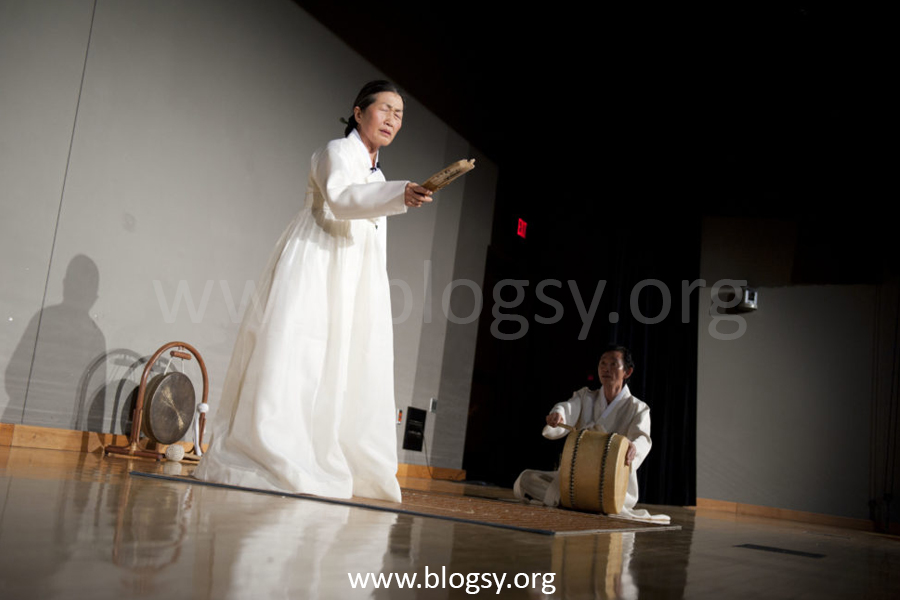
Hitaar is a unique musical tradition where captivating stories come alive through enchanting melodies, rhythmic patterns, and deep cultural expression. At its heart, it blends music and storytelling into a single living art form, allowing history, emotions, and communal values to be shared not just through words, but through sound and performance. Rather than being simple entertainment, it functions as a cultural language—one that communicates identity, memory, and collective experience across generations.
Traditionally performed in communal settings, it uses melody as a narrative tool. Each tune carries meaning, and every rhythm supports the story being told. Listeners do not merely hear hitaar; they experience it emotionally, often recognizing familiar themes of love, struggle, honor, and wisdom embedded within the music. This is what gives hitaar its lasting power and relevance.
In today’s world of fast, digital music consumption, it stands out as a reminder of slower, more intentional artistic expression. This article explores the origins, structure, cultural role, and modern evolution of it in a clear and human way—helping you understand why this musical tradition continues to resonate deeply with those who encounter it.
The Historical Origins of Musical Storytelling
Long before written records, music served as one of humanity’s earliest storytelling tools. Communities used melody and rhythm to preserve events, explain moral lessons, and pass down shared history. It emerged from this ancient need to remember and communicate through sound.
In its earliest forms, hitaar was closely tied to daily life. Stories were shaped by local experiences—harvest seasons, migrations, conflicts, and celebrations. Music made these stories memorable, ensuring they survived beyond a single generation. The repetition of melodies helped fix narratives in collective memory.
Over time, hitaar evolved alongside the communities that practiced it. Influences from neighboring cultures introduced new rhythms and instruments, yet the core purpose remained unchanged: to tell meaningful stories through music. Understanding these origins helps explain why hitaar feels timeless rather than outdated.
Music as a Cultural Language
Music is often called a universal language, but traditions like it show that it is also deeply local. The melodies, scales, and rhythms used in hitaar reflect the environment, values, and emotional landscape of the community.
In this tradition, musical phrases function much like sentences. Rising notes may signal hope or triumph, while slower tempos often accompany reflection or sorrow. Listeners familiar with the style can “read” the music even before words are sung.
This musical language strengthens cultural identity. It allows people to recognize themselves in the sound, creating a sense of belonging. Even when lyrics change, the musical structure preserves continuity, ensuring that hitaar remains recognizable across time.
Storytelling Through Melody and Rhythm
What sets hitaar apart is the way melody and rhythm actively shape the story. The music does not simply accompany lyrics—it drives the narrative forward. Changes in tempo, pitch, and intensity mirror shifts in the storyline.
A joyful moment may be marked by faster rhythms and brighter tones, while moments of loss are expressed through restrained, minor melodies. These musical choices guide listeners emotionally, helping them feel the story rather than just understand it.
This approach makes it especially powerful in communal settings. Even those who may not fully grasp every word can connect with the emotional arc of the performance through sound alone.
Instruments Commonly Used in Performances
While it can be performed vocally, instruments play a vital role in shaping its sound. Traditional instruments are often simple but expressive, designed to support storytelling rather than overpower it.
String instruments may provide a steady melodic foundation, while percussion establishes rhythm and pace. In some regions, wind instruments are used to signal transitions within the story or highlight dramatic moments.
The choice of instruments often reflects local craftsmanship and available materials. This connection between music and environment reinforces the tradition’s authenticity and cultural grounding.
The Role of the Performer
In hitaar, the performer is more than a musician—they are a storyteller, historian, and emotional guide. Skill is measured not only by musical ability but by the capacity to convey meaning and connect with the audience.
Performers must understand the story deeply, knowing when to emphasize certain moments and when to allow silence or simplicity to speak. Facial expressions, gestures, and posture often complement the music, adding another layer of communication.
This role carries responsibility. Performers are custodians of cultural memory, ensuring stories are told with respect and accuracy while remaining engaging and relevant.
Hitaar as a Community Experience
It is rarely a solitary art form. Performances typically take place during gatherings, festivals, or important social events. The communal setting transforms the music into a shared experience.
Audience participation may include call-and-response singing, rhythmic clapping, or attentive silence at key moments. This interaction strengthens social bonds and reinforces collective identity.
By bringing people together, hitaar serves as both entertainment and social glue, reminding participants of shared values and history.
Themes Commonly Found in Hitaar Stories
The stories told through it often focus on universal human experiences. Love, loss, courage, betrayal, and resilience appear frequently, making the tradition relatable even across cultural boundaries.
Some narratives preserve historical events or legendary figures, while others explore moral lessons meant to guide behavior. These themes help maintain social norms and transmit wisdom.
Because stories are revisited over generations, themes may gain new interpretations, reflecting changing values while preserving core lessons.
Emotional Impact and Psychological Connection
Music has a unique ability to influence emotions, and hitaar uses this power deliberately. The close relationship between melody and narrative creates a strong emotional bond between performer and listener.
Listeners often report feeling transported into the story, experiencing empathy and reflection. This emotional engagement makes it memorable and meaningful.
Such impact explains why the tradition remains valued even as other forms of entertainment evolve.
Learning and Passing Down the Tradition
Hitaar is traditionally learned through observation and practice rather than formal instruction. Younger members watch experienced performers, absorbing techniques and stories over time.
This apprenticeship-style learning fosters deep understanding and respect for the art. It also allows for gradual innovation, as each generation adds subtle personal touches.
Passing down hitaar is not just about preserving music—it’s about transmitting values, identity, and communal memory.
Modern Adaptations and Contemporary Influence
In modern contexts, hitaar has found new expressions. Some performers adapt traditional melodies for contemporary audiences, blending old rhythms with modern instruments or recording techniques.
While purists may worry about dilution, thoughtful adaptation can help keep the tradition alive. The key is maintaining respect for the core elements that define hitaar.
These modern interpretations often introduce the tradition to wider audiences, increasing appreciation and understanding.
Hitaar in Education and Cultural Preservation
Educational programs play a growing role in preserving it . Workshops, recordings, and community projects document performances and teach younger generations.
Preservation efforts focus on context as much as content. Understanding when, why, and how hitaar is performed ensures it remains a living tradition rather than a museum artifact.
Such initiatives help protect cultural heritage in a rapidly changing world.
The Global Appreciation of Traditional Music
As global interest in traditional music grows, hitaar gains attention beyond its original communities. Cultural exchanges and performances introduce the tradition to new listeners.
This global exposure brings opportunities and challenges. Appreciation must be balanced with respect to avoid misrepresentation or commercialization.
When handled carefully, global interest can strengthen pride within the originating community.
Ethical Performance and Cultural Respect
Respect is essential when engaging with traditions like it. Performers and audiences alike should understand the cultural significance behind the music.
Ethical practice includes acknowledging origins, seeking consent when appropriate, and avoiding superficial imitation. Respect ensures the tradition’s integrity.
This mindful approach supports sustainable cultural exchange.
The Future of Hitaar
The future of hitaar depends on balance—between preservation and innovation, tradition and modernity. As long as communities value storytelling through music, the tradition will continue.
Technology offers new tools for documentation and sharing, but live performance remains irreplaceable. The human connection at the heart of hitaar cannot be digitized.
With care and commitment, it will continue to evolve while honoring its roots.
Conclusion
It is far more than a musical style—it is a living tradition where stories, emotions, and cultural identity are woven into melody and rhythm. By combining narrative and music, it preserves history, strengthens community bonds, and offers deep emotional connection. Its ability to adapt while maintaining authenticity ensures its relevance in both traditional and modern contexts. As long as stories need to be told and shared, it will remain a powerful expression of human creativity and collective memory.
Frequently Asked Questions FAQs
- What is hitaar?
Hitaar is a musical storytelling tradition where narratives are expressed through melody and rhythm. - Is hitaar purely musical or also verbal?
It combines both music and spoken or sung storytelling. - Where is hitaar traditionally performed?
Usually in communal settings such as gatherings, festivals, or cultural events. - Does hitaar use specific instruments?
Yes, traditional string, percussion, and sometimes wind instruments are common. - Is hitaar still practiced today?
Yes, both in traditional forms and modern adaptations. - Can outsiders learn hitaar?
Learning is possible with respect, guidance, and cultural sensitivity. - Why is hitaar important culturally?
It preserves history, values, and shared identity through music. - How is hitaar passed to new generations?
Primarily through observation, practice, and community participation.
Don’t miss out on any news—keep in touch for real-time information: Blog Sy!
Related Posts