

Understanding Ann Archambault biography reveals more than a public connection. Her story reflects resilience, emotional intelligence, and independence shaped by family and personal values. Although public attention emerged through Joe Buck, her identity developed through deliberate privacy and grounded life decisions rooted in authenticity.
Interest in her journey continues because people seek clarity about her personal life and long-term choices. However, unlike celebrity-driven narratives, her path shows how dignity thrives outside publicity. As a result, her life offers meaningful insight into privacy, emotional strength, and purposeful independence.
Who Is Ann Archambault? A Clear Introduction to Her Identity
Public recognition of Ann Archambault biography largely stems from her former marriage to Joe Buck, a prominent sports broadcaster. Yet her personal identity extends far beyond that association. She represents individuals who maintain autonomy while living near public attention without seeking personal exposure.
Importantly, her identity aligns more closely with a private individual rather than a public personality. Unlike media-driven figures, she avoided interviews and publicity platforms. Consequently, her lifestyle demonstrates how personal fulfillment can exist independently from recognition, reinforcing values rooted in emotional stability and privacy.
Early Life, Family Background, and Personal Foundations
Born in St. Louis Missouri, she grew up in a structured household emphasizing emotional discipline and humility. Her parents, Thomas Archambault and Jackie Archambault, fostered moral responsibility and intellectual curiosity. These early influences played a crucial role in shaping her grounded worldview and emotional maturity.
Childhood experiences built a stable psychological foundation. Unlike celebrity-raised environments, her upbringing prioritized family bonding and routine stability. Therefore, this early emotional structure helped her navigate later life transitions, including marriage, motherhood, and eventual separation from public association.
Education and Formative Experiences That Shaped Her Path
Academic experiences at Spring Woods High School helped shape intellectual discipline and social confidence. During adolescence, she demonstrated emotional maturity and interpersonal awareness. These formative years cultivated communication skills and adaptability essential for navigating complex adult relationships and responsibilities.
Later, attending the University of Mississippi broadened her worldview and strengthened independence. College environments often serve as transitional spaces between adolescence and adulthood. Similarly, her educational journey provided cognitive growth and emotional resilience, which later influenced her ability to maintain stability during life transitions.
Meeting Joe Buck: How Their Relationship First Began
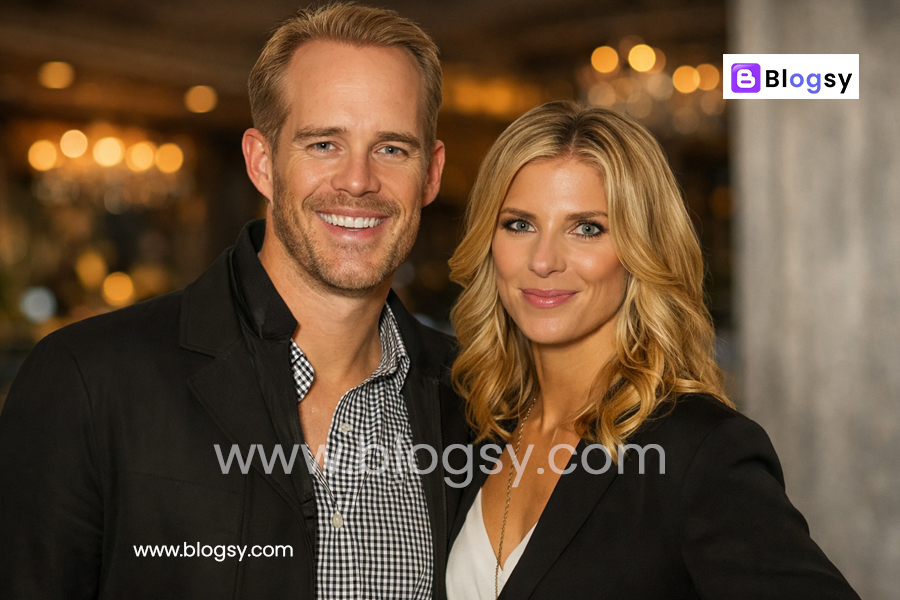
Their relationship began during adolescence when both lived in St. Louis Missouri, sharing overlapping social environments. Early connections developed naturally through friendship and familiarity. Over time, emotional closeness strengthened into a romantic partnership grounded in trust and mutual understanding.
As Joe Buck career advanced in broadcasting, their relationship matured alongside professional changes. Unlike sudden celebrity relationships, theirs evolved gradually through shared developmental stages. This progression created emotional continuity, reinforcing a bond shaped by familiarity rather than public attention.
Marriage, Family Life, and Role as a Mother
Marriage in 1993 marked a major emotional milestone during Joe Buck broadcasting career growth. While his professional responsibilities increased, she maintained family stability and emotional continuity. Supporting family structure required emotional strength, adaptability, and independent decision-making within evolving circumstances.
Motherhood became central to her identity, particularly while raising Natalie Buck and Trudy Buck. Emotional guidance and daily structure formed essential parenting foundations. Consequently, her influence helped create psychological security, enabling both daughters to pursue professional interests with confidence and independence.
Ann Archambault’s Daughters: Natalie Buck and Trudy Buck
Her older daughter, Natalie Buck, pursued creative work connected to media production environments. Working near Fox Sports, she gained exposure to entertainment logistics. However, her career developed independently, reflecting personal ambition shaped by family emotional stability rather than inherited recognition.
Meanwhile, Trudy Buck pursued storytelling through film education at the USC School of Cinematic Arts. Creative expression became central to her career direction. Her professional development reflects intellectual independence nurtured through emotionally supportive parenting and stable family structure.
Professional Life and Career Milestones
Unlike public personalities, her professional life remained intentionally private. Career independence often reflects intrinsic motivation rather than external validation. Maintaining career privacy allowed emotional autonomy and protected personal boundaries within increasingly public environments surrounding broadcasting careers.
Importantly, maintaining independence while associated with a public figure spouse requires psychological strength. Many individuals leverage visibility for exposure. However, her career philosophy emphasized internal fulfillment, demonstrating how personal achievement does not require public recognition to remain meaningful.
The 8 Key Milestones in Ann Archambault’s Life and Career
Major life milestones include early development, education, marriage, motherhood, and personal independence. Each stage contributed to emotional resilience and identity formation. Psychological development often reflects cumulative experiences shaping emotional intelligence and long-term stability.
The following table illustrates structured milestones that shaped her personal evolution and emotional independence.
| Milestone Phase | Key Event | Psychological Impact | Long-Term Influence |
| Childhood | Family upbringing | Emotional stability | Strong personal values |
| Education | University experience | Intellectual growth | Independent thinking |
| Marriage | Family formation | Emotional bonding | Long-term identity shaping |
| Motherhood | Raising daughters | Emotional leadership | Family-centered life |
| Divorce | Relationship transition | Emotional adaptation | Personal independence |
| Career | Private professional life | Internal fulfillment | Personal autonomy |
| Privacy choice | Media avoidance | Emotional protection | Stable lifestyle |
| Current life | Independent living | Emotional balance | Long-term peace |
Divorce from Joe Buck: Facts, Context, and Life Transition
The 2011 separation represented a major emotional transition. Divorce often requires psychological adaptation and identity reconstruction. However, both individuals maintained respectful communication and prioritized emotional stability for their children, demonstrating emotional maturity during difficult transitions.
Importantly, co-parenting stability remained a shared priority. Emotional continuity for children often determines long-term psychological outcomes. Maintaining respectful interaction minimized emotional disruption, reinforcing family stability despite structural relationship changes.
Life After Divorce: Personal Growth and Private Living
Following divorce, she focused on rebuilding emotional independence and personal stability. Emotional recovery after relationship transitions requires resilience and adaptive thinking. Over time, personal independence strengthened identity clarity and emotional confidence.
Currently residing in Ladue Missouri, she maintains a peaceful lifestyle centered around family relationships and emotional well-being. Environmental stability often supports psychological healing. Living within familiar surroundings provided continuity and emotional comfort.
Public Attention vs Private Lifestyle: Understanding Her Privacy Choices
Public curiosity often emerges when individuals associate with highly visible figures like Joe Buck ESPN career prominence. However, choosing privacy reflects intentional emotional boundary-setting. Privacy protects mental well-being and preserves authentic personal relationships.
In contrast, public exposure often creates identity distortion through external perception. Maintaining privacy preserves psychological autonomy. Her lifestyle demonstrates how emotional health benefits from limiting unnecessary exposure and maintaining internal identity control.
Common Misconceptions About Ann Archambault
One common misconception involves confusion with professionals sharing the same name. Identity confusion occurs frequently in digital search environments. Distinguishing verified identity from unrelated profiles strengthens informational accuracy and prevents misinformation.
Another misunderstanding relates to her career identity. Public absence does not indicate lack of professional engagement. Instead, career privacy reflects intentional personal boundaries, reinforcing independence rather than public recognition dependency.
Net Worth, Financial Overview, and Lifestyle Insights
Financial privacy reflects personal philosophy emphasizing emotional fulfillment rather than material exposure. Unlike public figures, she never disclosed financial information. Maintaining financial discretion reinforces personal security and emotional independence.
The following table clarifies verified facts versus public speculation.
| Category | Verified Fact | Public Speculation | Reality Context |
| Net Worth | Not disclosed | Various estimates | No verified source |
| Career | Private | Media assumptions | Independent professional path |
| Residence | Ladue Missouri | Public curiosity | Confirmed location |
| Lifestyle | Private living | Public assumptions | Low public exposure |
Why Ann Archambault Remains a Subject of Public Interest Today
Public interest continues primarily due to Joe Buck sports broadcasting legacy. Audiences often explore personal backgrounds of familiar public figures. Curiosity naturally extends toward individuals connected to influential personalities.
However, her deliberate privacy increases curiosity. Psychological research shows scarcity increases informational interest. Limited visibility creates mystery, encouraging continued search interest among audiences seeking contextual understanding.
Information Accuracy, Privacy, and Verified Facts About Ann Archambault
Information accuracy remains essential when discussing private individuals. Verified facts confirm birthplace, education, family, and residence. Distinguishing factual information from speculation protects informational integrity and ethical reporting standards.
Respecting personal privacy reinforces ethical responsibility. Public curiosity should not override personal autonomy. Her lifestyle reinforces how individuals retain identity control regardless of indirect public association.
Legacy, Personal Strength, and Life Beyond Public Attention
Personal legacy reflects emotional strength, independence, and family influence. Her life demonstrates psychological resilience during personal transitions. Emotional maturity and privacy choices define her lasting influence.
Unlike celebrity-driven legacy, her influence remains rooted in family stability and emotional leadership. This quieter legacy often creates deeper long-term impact within personal relationships rather than public recognition.
Frequently Asked Questions (FAQs)
- Who is Joe Buck’s first wife?
Joe Buck’s first wife was Ann Archambault, whom he married in 1993 before their divorce in 2011. - What is Ann Archambault known for?
Ann Archambault is known as Joe Buck’s first wife and mother of Natalie and Trudy Buck. - How did Joe Buck meet his wife?
Joe Buck met Ann Archambault in middle school. Their friendship later became a long-term romantic relationship. - How many marriages has Joe Buck had?
Joe Buck has been married twice. First to Ann Archambault, and later to Michelle Beisner in 2014. - Who is Troy Aikman’s new lover?
Troy Aikman married Catherine Mooty in 2017. She is a fashion entrepreneur and businesswoman. - Has Joe Buck had hair transplants?
Joe Buck confirmed he had multiple hair transplant surgeries early in his broadcasting career. - Has Donald Trump had hair transplants?
Donald Trump denied hair transplants, though experts believe he had scalp procedures to preserve hair. - Why did Joe Buck have a face transplant?
Joe Buck never had a face transplant. He had vocal cord surgery due to complications from hair treatment. - Why is Joey’s hair falling out?
Hair loss in Joey could result from genetics, stress, hormonal imbalance, or medical conditions. - Why is Jennifer Aniston’s hair thin now?
Jennifer Aniston said hair thinning happened due to stress, aging, and years of hair styling damage.
Conclusion: Understanding Ann Archambault Beyond Public Recognition
Understanding Ann Archambault requires looking beyond public association. Her life demonstrates emotional resilience, privacy strength, and independent identity shaped through personal values rather than public visibility.
Ultimately, her journey illustrates how authentic fulfillment develops internally. Emotional stability, family influence, and personal independence define her life more than public recognition ever could.
Don’t miss out on any news—keep in touch for real-time information, visit: Blogsy.!
Related Posts